
Wet
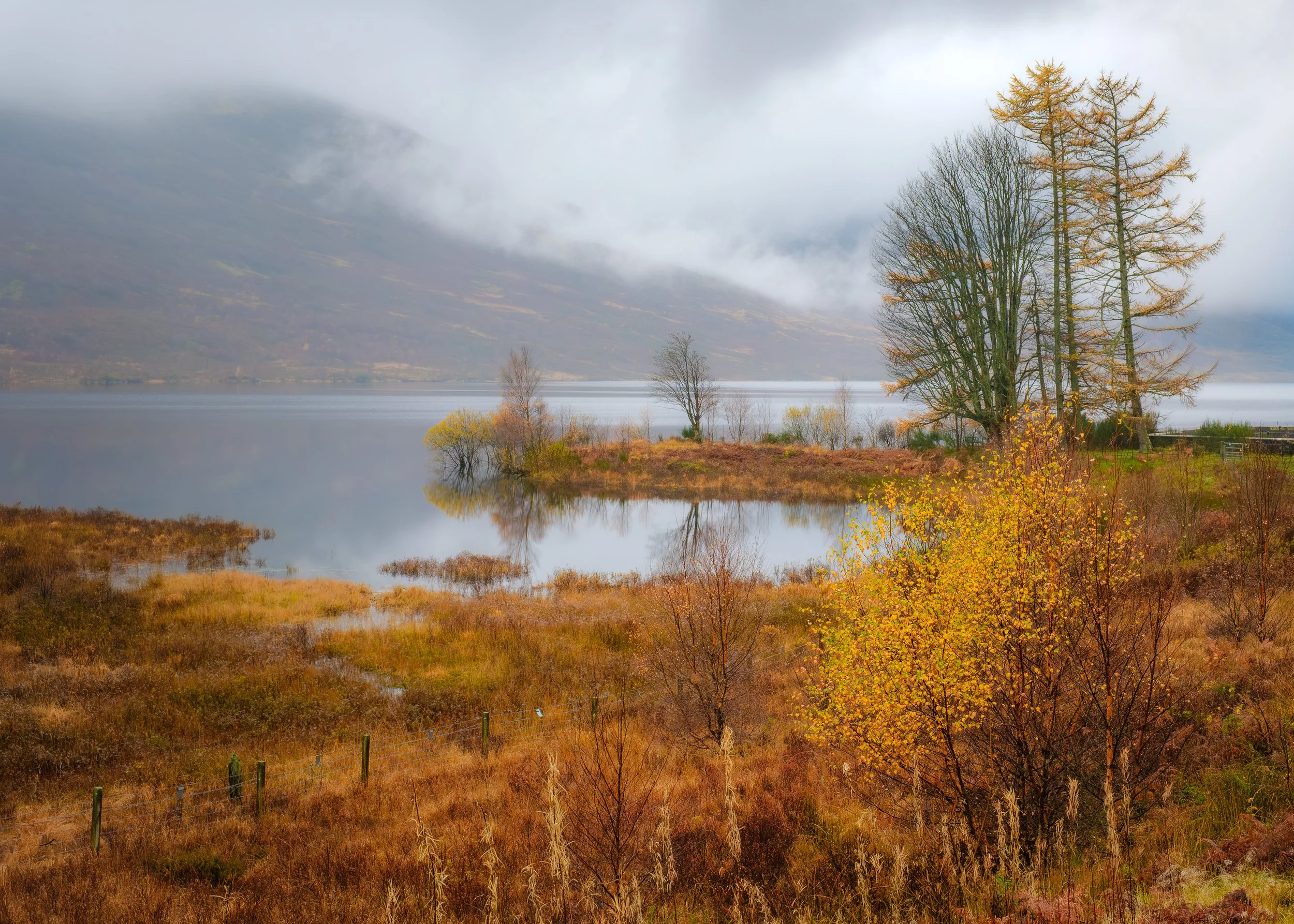
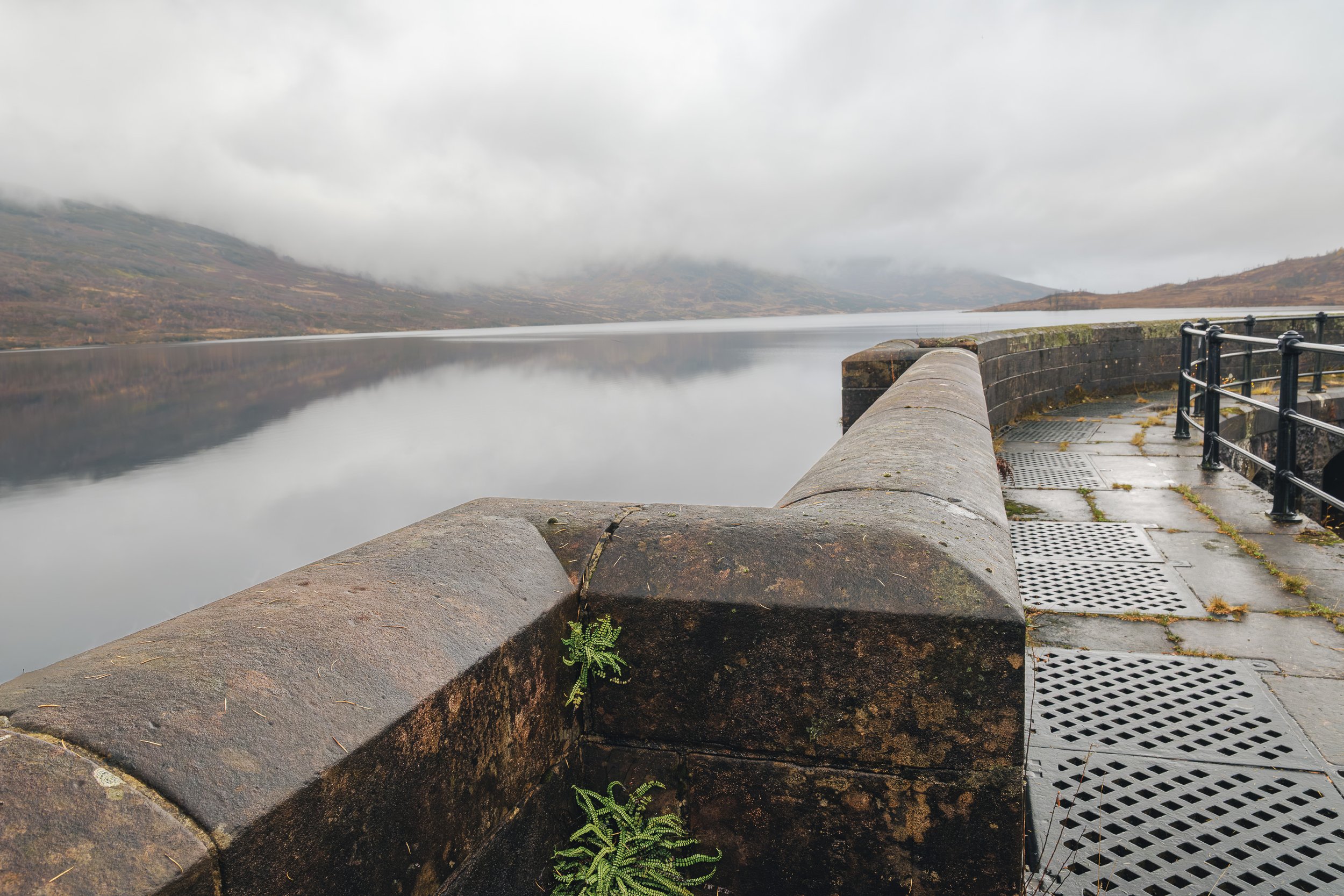
Loch Arklet in the heart of Loch Lomond and The Trossachs National Park
Being something of a dormouse isn’t ideal for a landscape photographer. As the nights close in I should really be up and at ’em if I’m to squeeze all the juice from a photography outing. But my bed is just too damn cosy.
With no through roads, Lochgoilhead is such a tranquil place. Rush hour consists of a few locals heading out for work. The little early-morning bus hammers into the village, practically handbrake-turns, and is back out again as empty as it arrived. The bin lorry clatters about on a Tuesday morning. That’s about it. A crow caws in the distance.
This is all in such stark contrast to my childhood. Born in South East London, within a few feet of the relentless South Circular road, I breathed in the fumes of the then fully-leaded petrol, and the constant noise of traffic, all day, every day, until I escaped in my twenties. My slow, stop-start journey north, eventually settling here in my peaceful Scottish home, has left me ridiculously sensitive to traffic noise and pollution. I still reach for an inhaler when staying in cities for more than a couple of days.
November. The water torture from globby raindrops on the tin roof of the camper van, the traffic noise from the busy road into Aberfoyle, and let’s be honest, the less-than-sumptuous sleeping arrangements, have the combined effect of kicking me into early action. It’s always a slow process to get showered and packed up when camping, but a cuppa and a breakfast roll soon put things right. Then we’re off, exploring The Trossachs in search of Autumn colour.
It’s a soggy, dreich day: heavy mist, light rain, and barely a hint of sun. I stop at a few favourite photography spots along Loch Ard and Loch Chon. It’s calm but dull. Being a Saturday (we rarely visit tourist spots on weekends), it’s also relatively busy - anglers trolling from an inflatable, swimmers splashing, kayakers chatting across the water. We drive deeper into the hills.
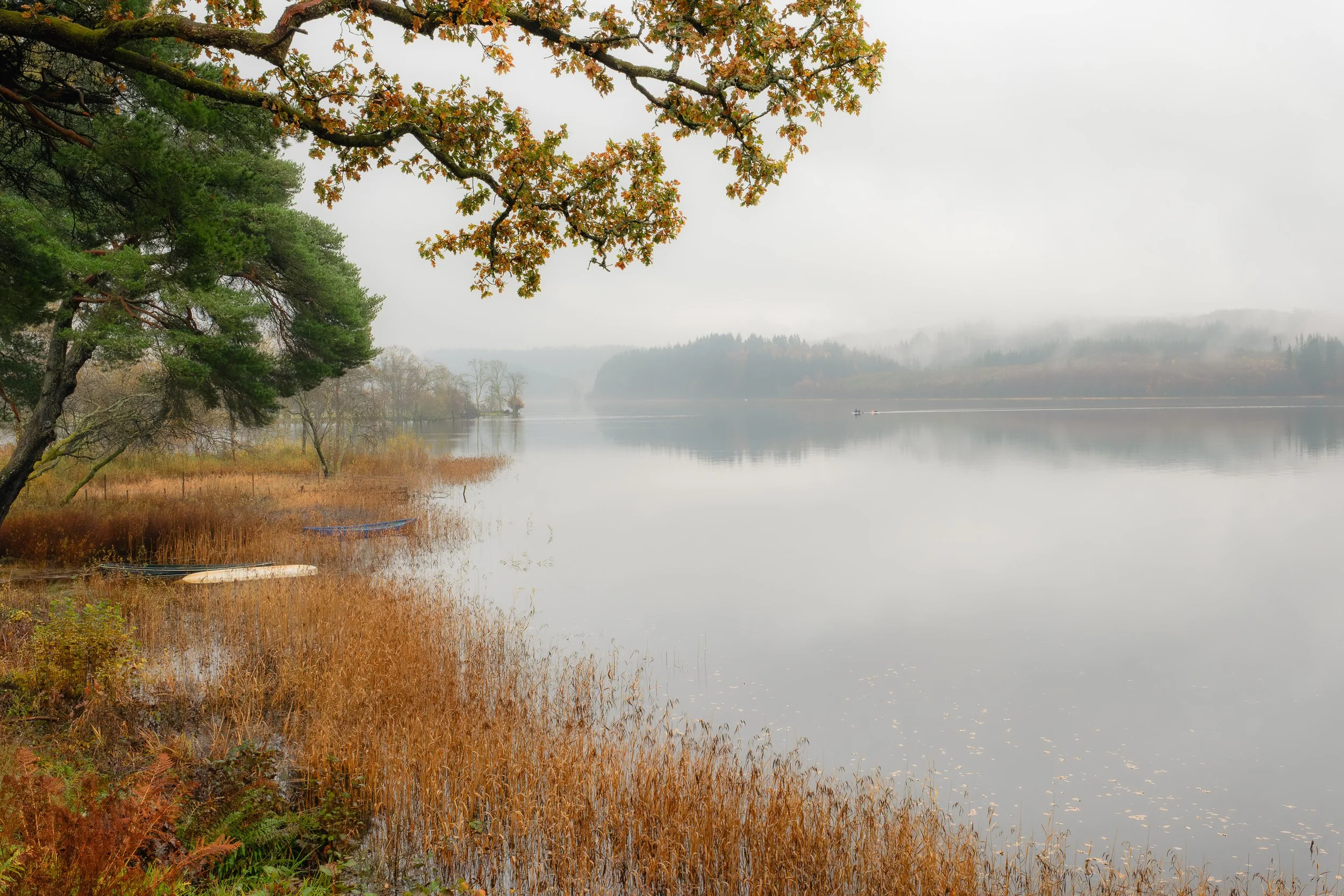
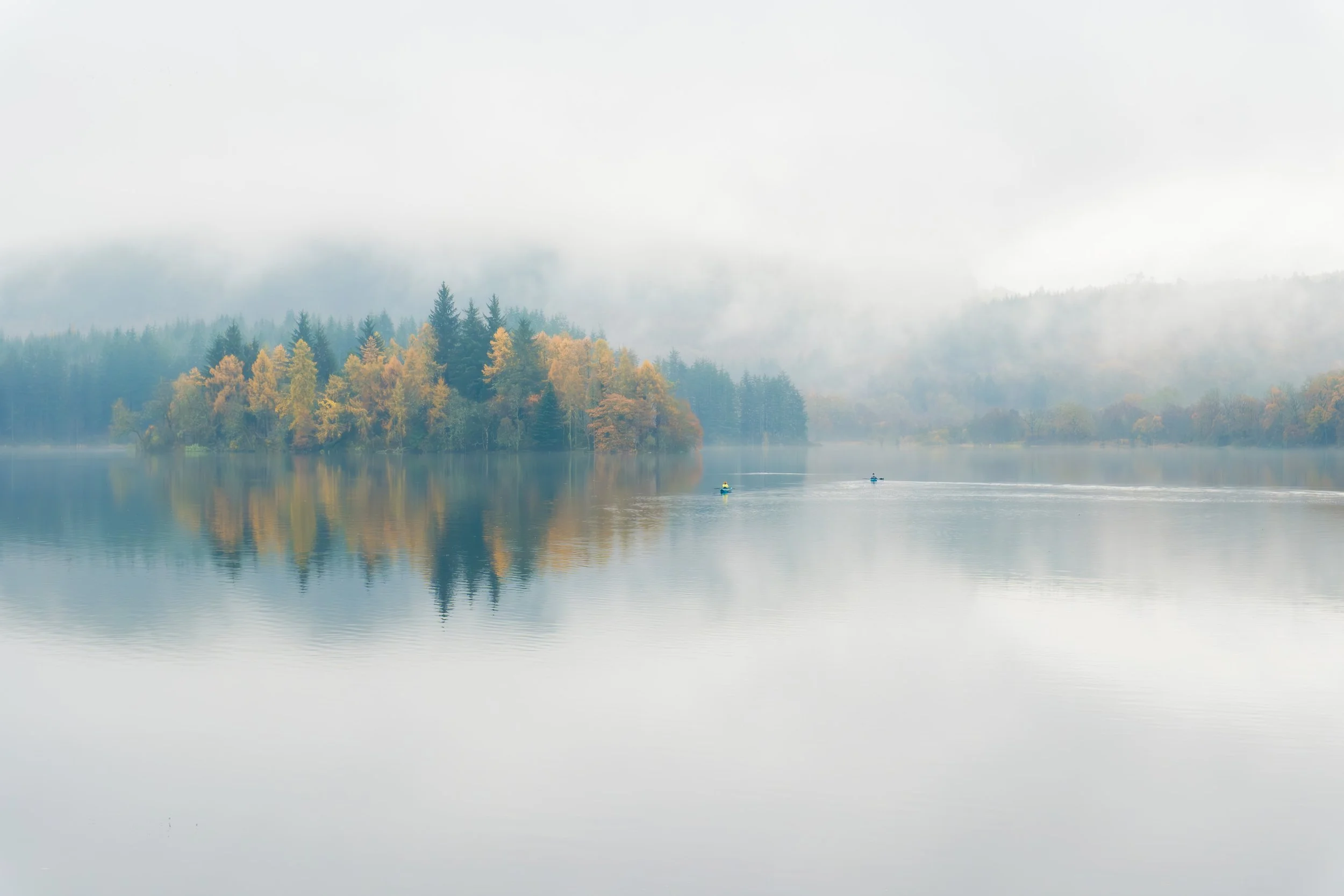

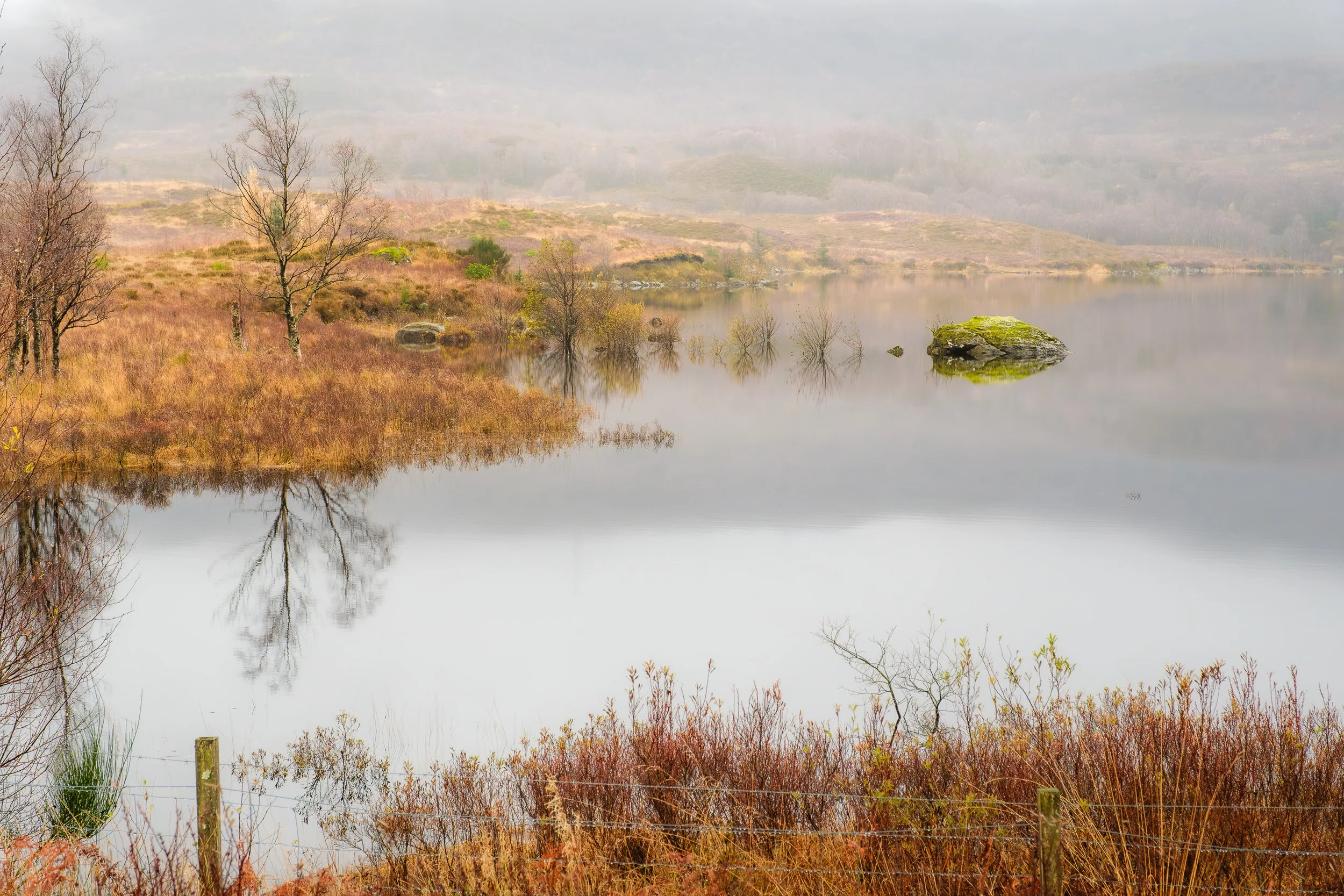
When the weather’s against me, I make use of the time by scouting for future shoots. This one will be great with snow. If I can get down there when it’s less flooded, the waterfalls will be superb. When the bracken dies back and spring colours emerge, this spot will be amazing... We slow down, pottering through the glens, enjoying the views from the van. When the rain finally eases enough to expose my unprotected lenses (I forgot my lens hood, again), we wander through the soggy bracken to photograph remote Loch Arklet.
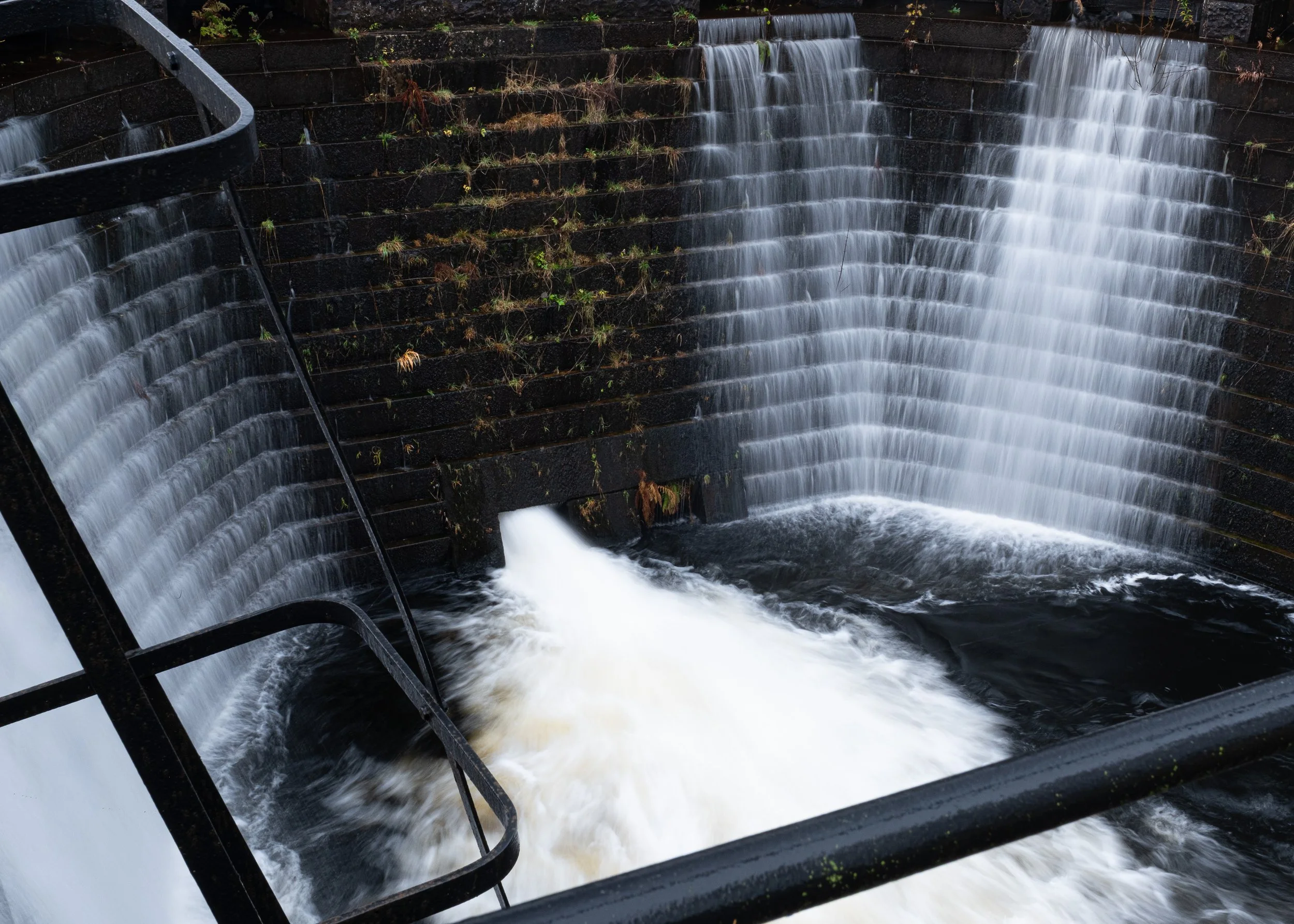
The juxtaposition of the wild landscape and the solid magnificence of the steel and concrete aqueduct basin (completed in 1915) that keeps Loch Katrine topped-up to provide water for Glasgow, is initially puzzling, until one considers the scale and ambition of engineering projects in the region at that time. A 50-mile water pipe from the mountains to Glasgow? A hollowed-out mountain where turbines suck up the water from Loch Awe, only to spit it out the second the electricity grid needs more power? We seem to have trouble filling a pothole nowadays.
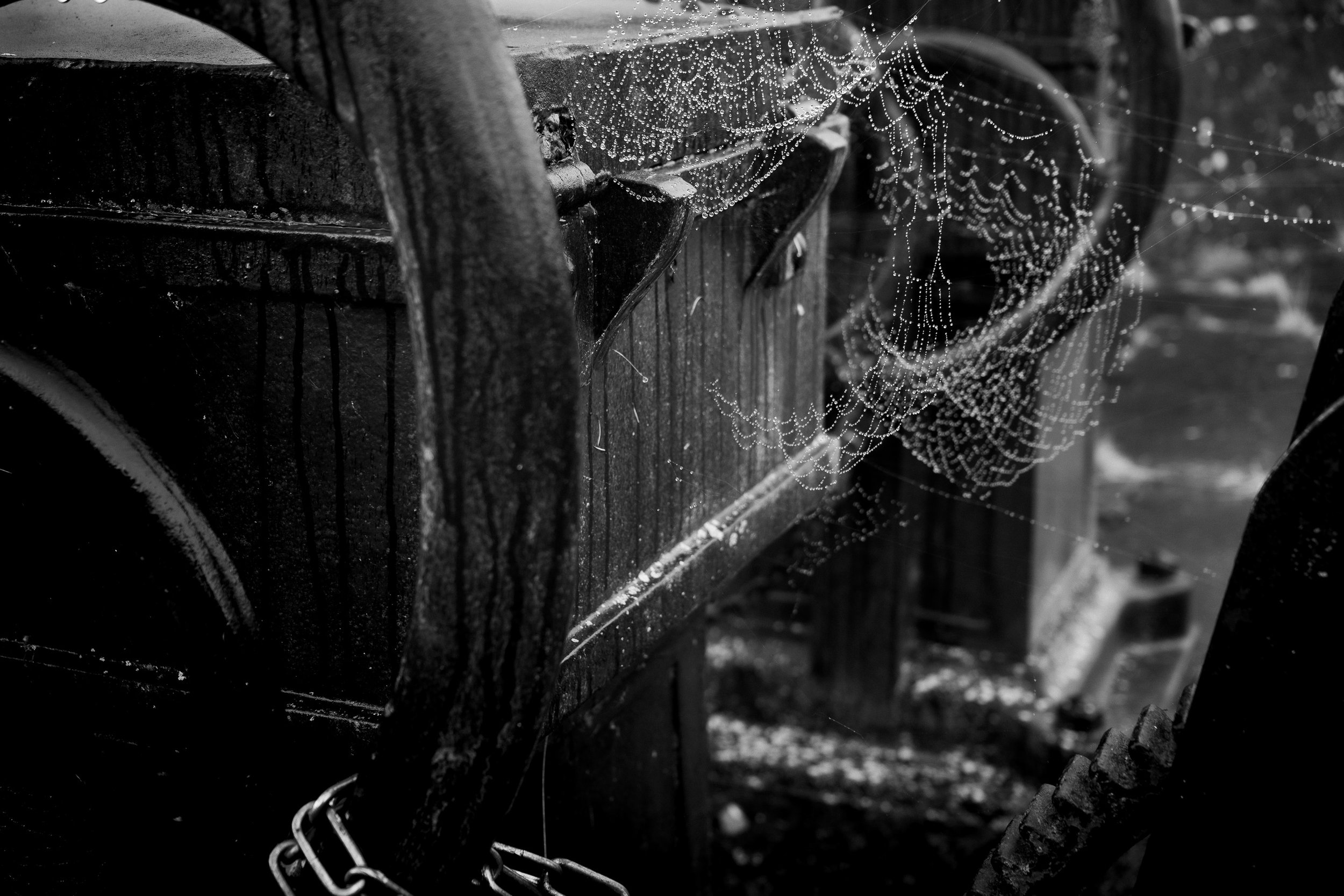
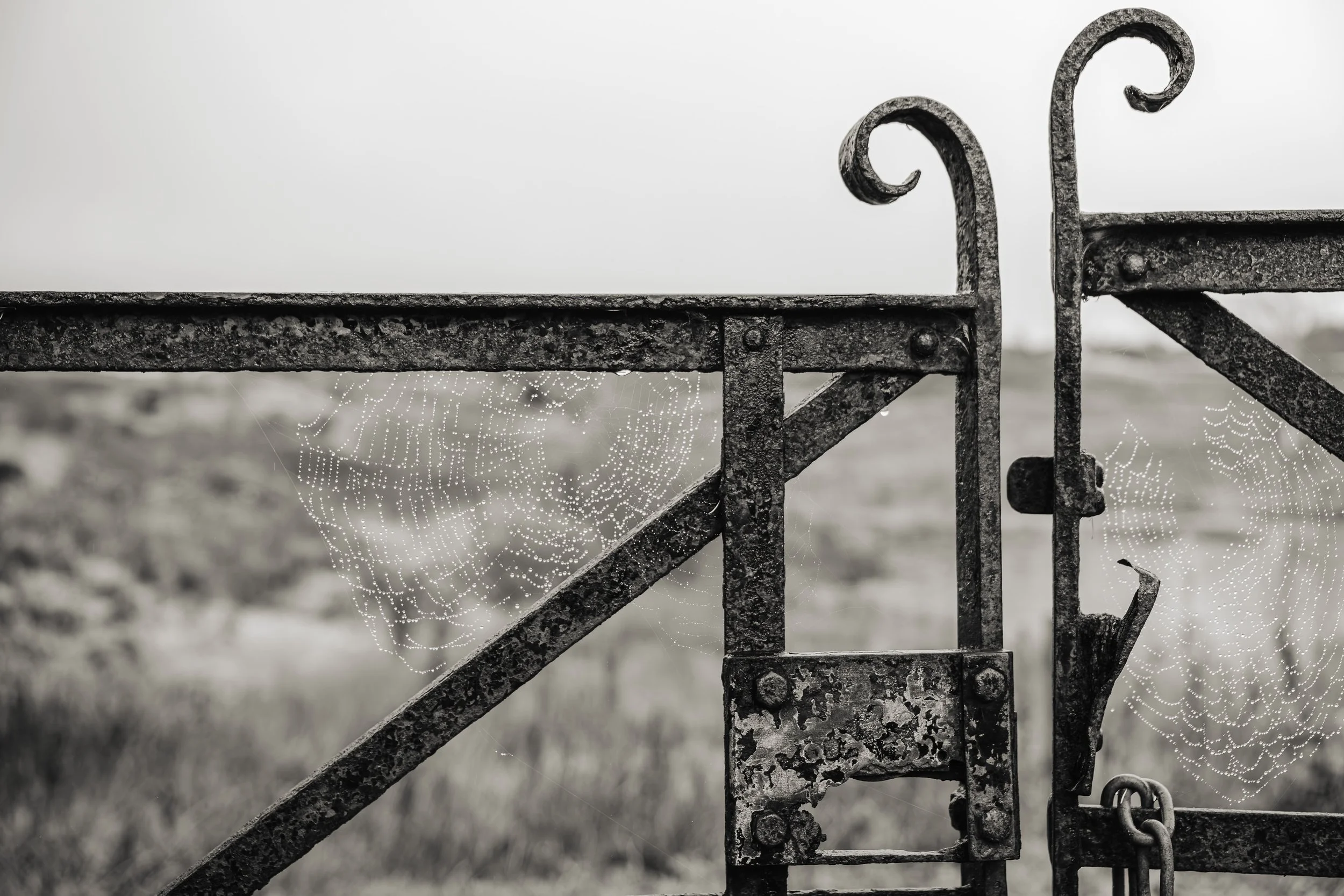
Water defines and shapes western Scotland. We might moan about it now and then, but as the old saying goes - there’s no such thing as bad weather, only unsuitable clothing, or if you prefer a touch more encouragement - today’s rain is tomorrow’s whisky. Besides, I can always go back to bed.
